- Stages 12
- Plates Blank
- People None
- Cancel Within the hour
Same car. Different century.
One photograph of your car, painted into motoring’s posters
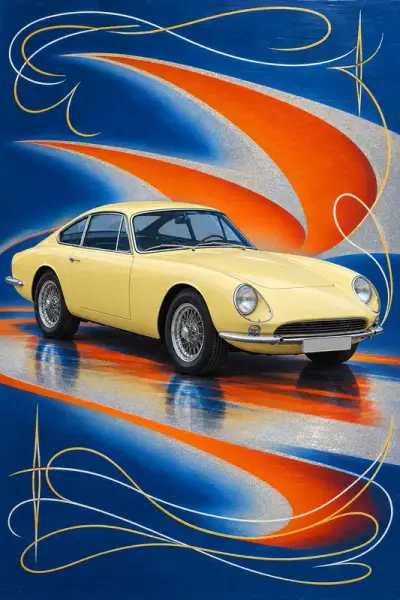
Send a photograph of your car, motorcycle, truck, tractor or camper van. We put it on the Monza banking, under a Deco salon’s dome or outside a desert motel by painting the century around it and leaving the vehicle alone.
Twelve stages, four legs
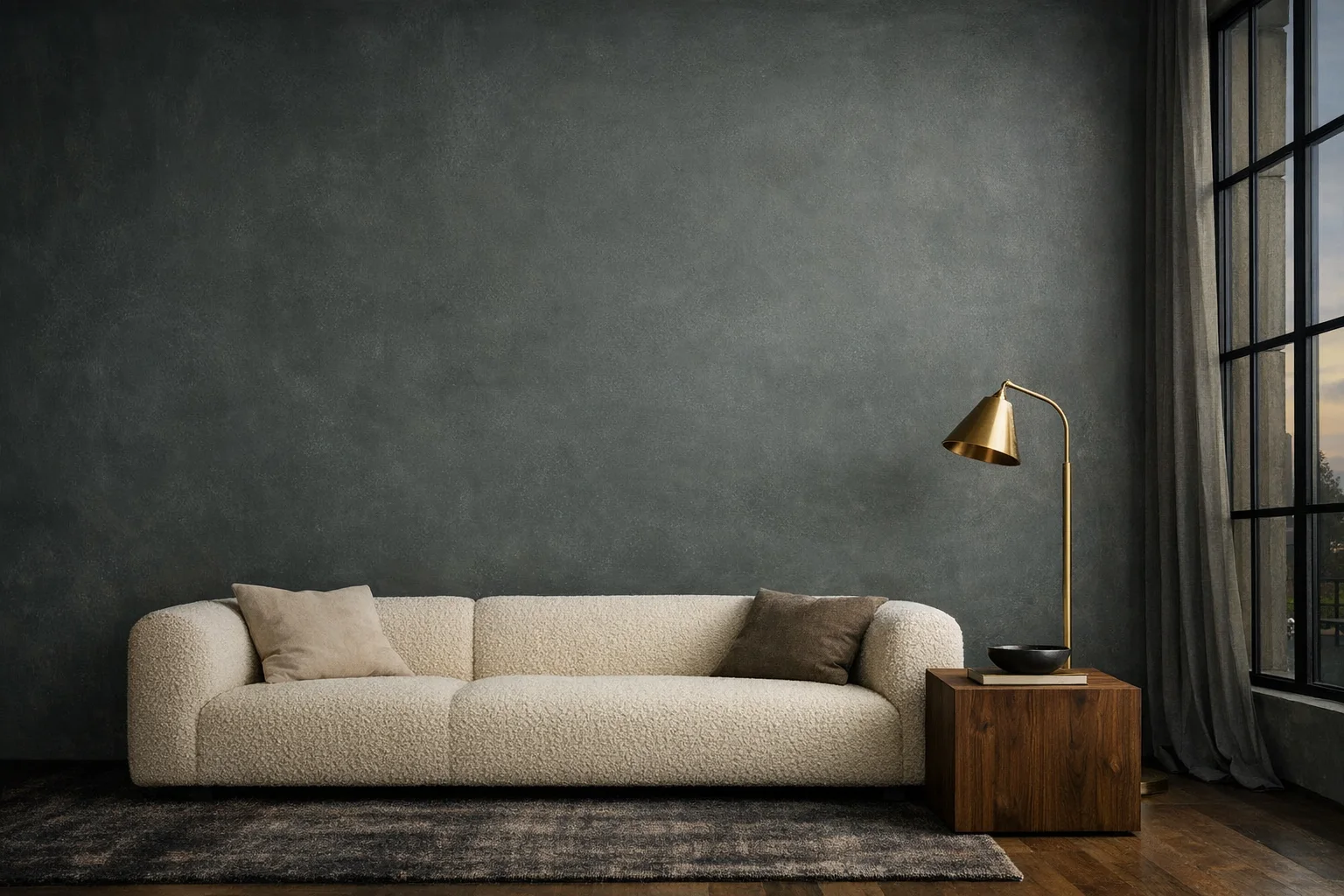
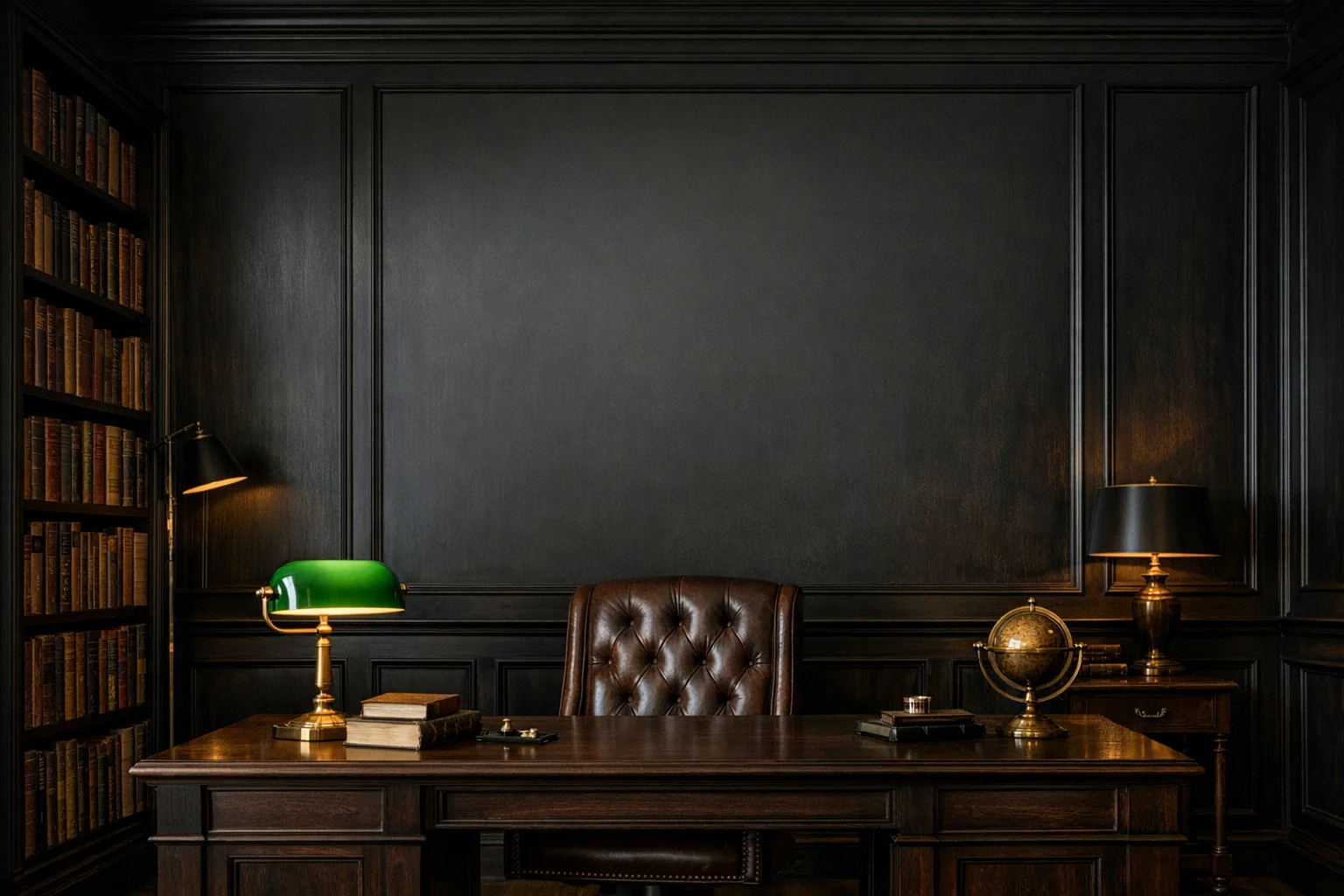
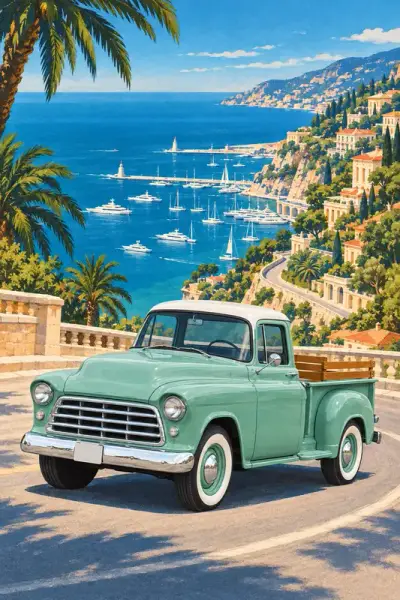
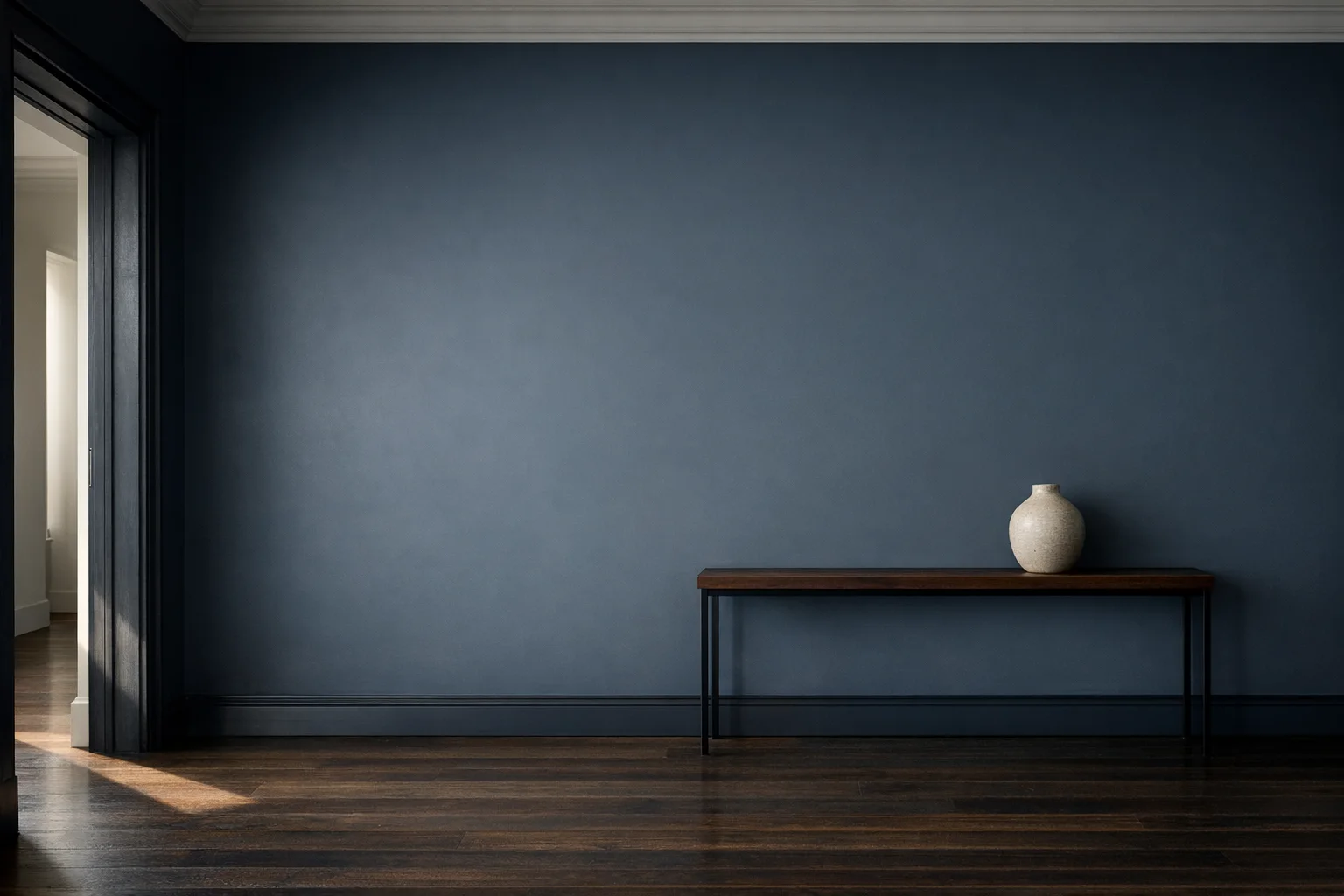
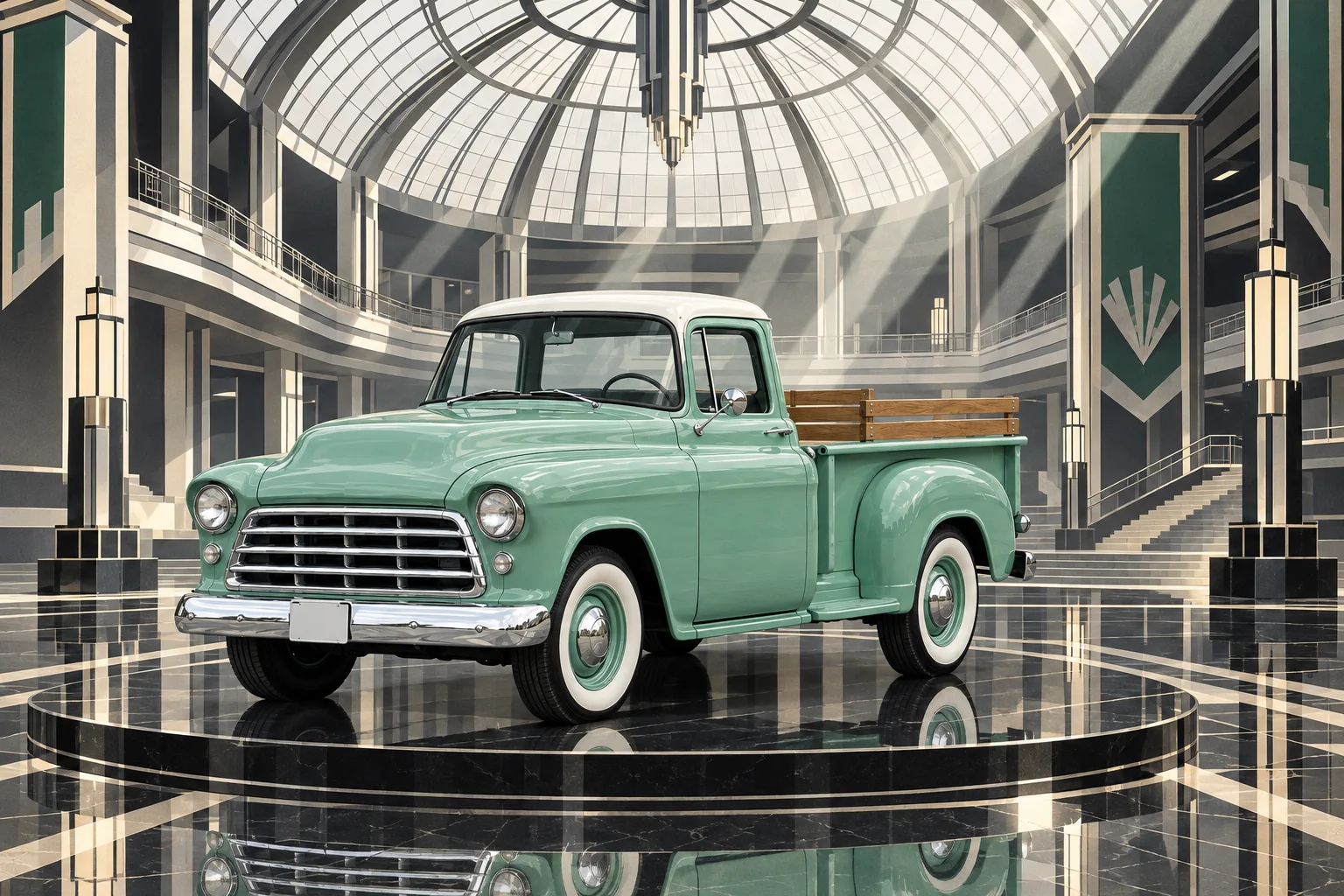
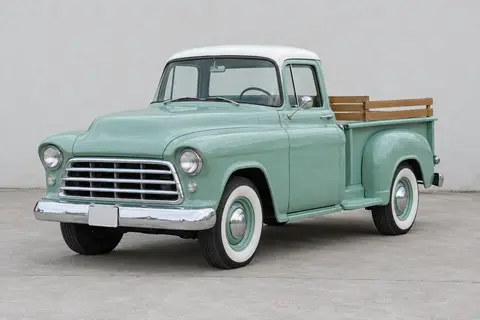
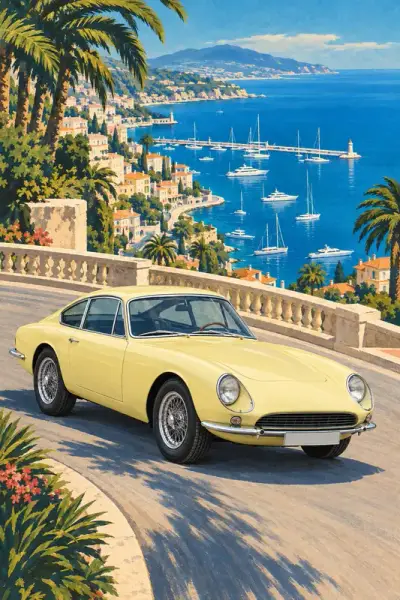
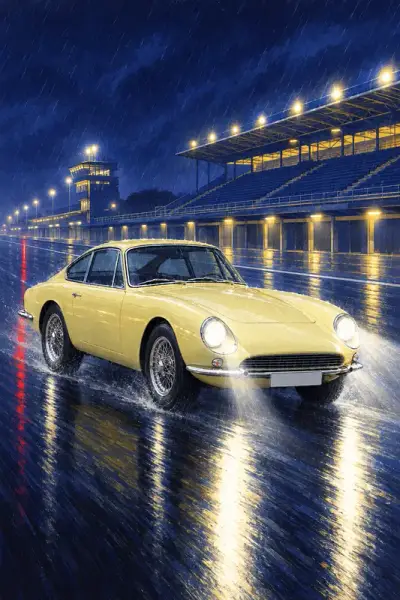
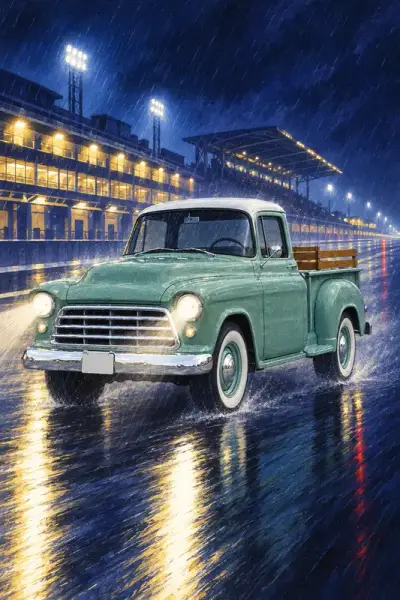
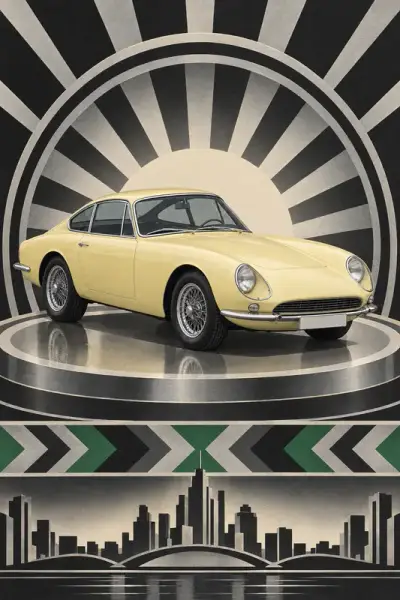
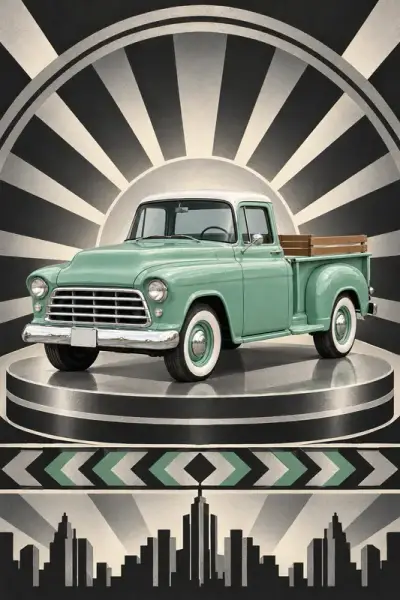
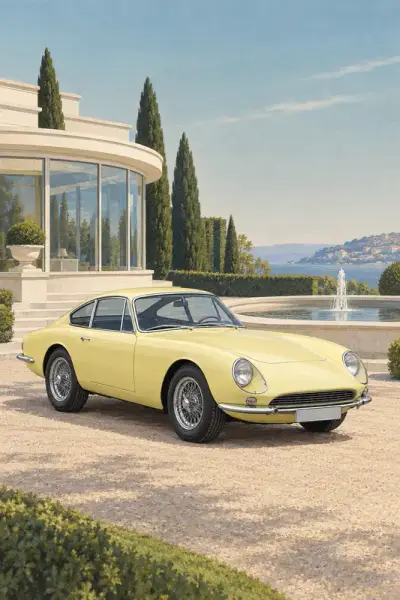
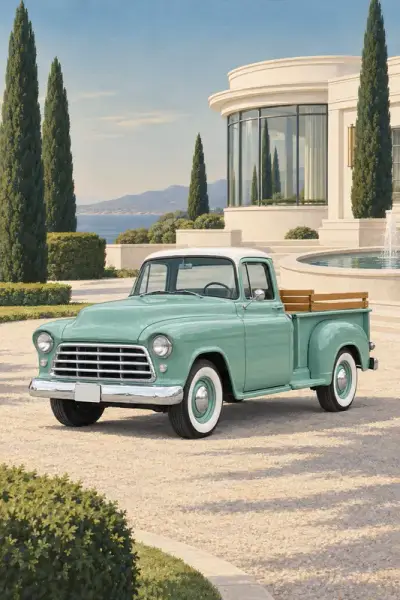
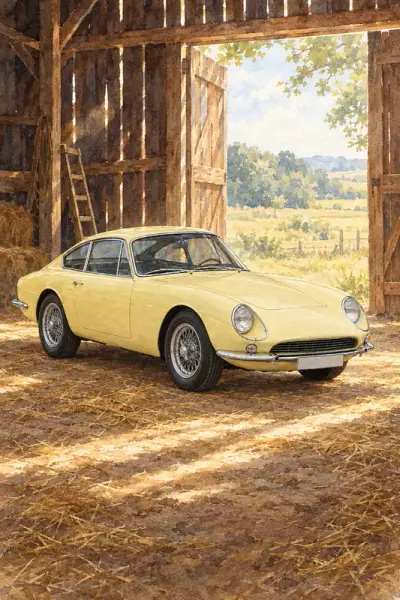
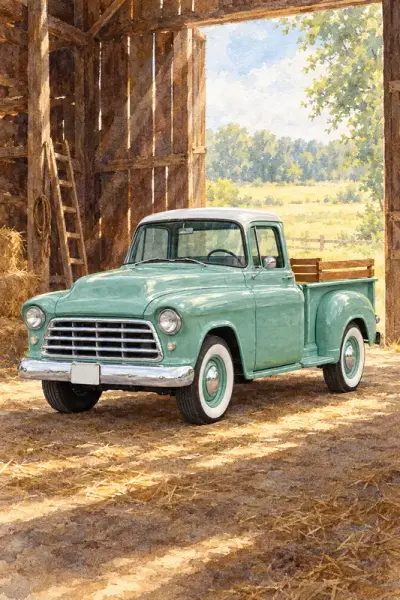
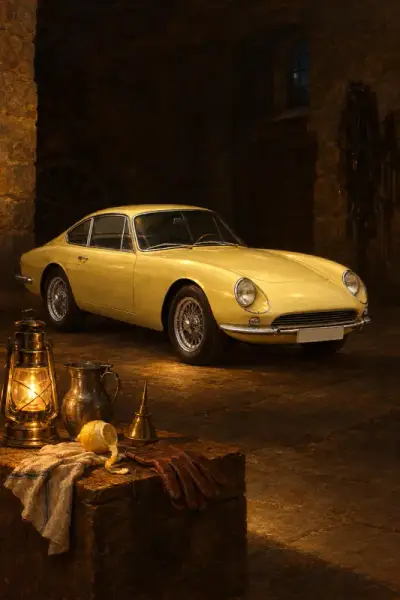
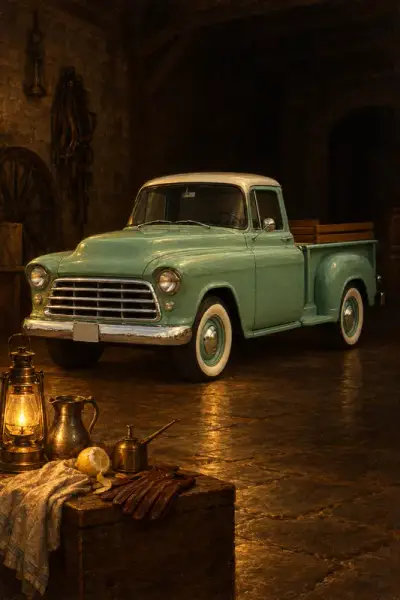
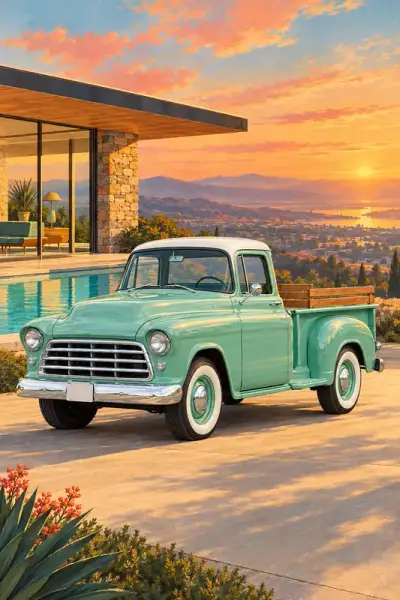
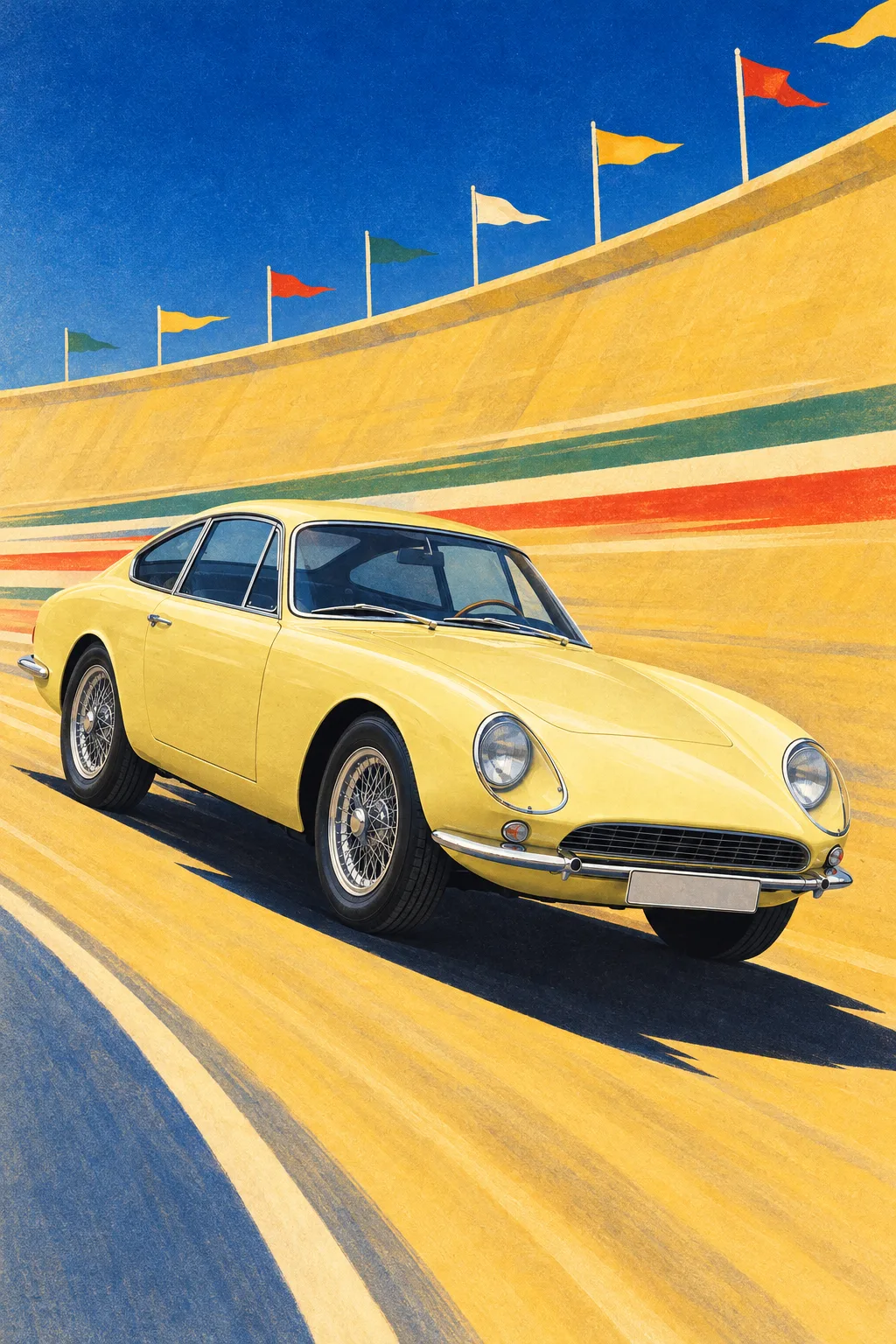
Each stage is one recipe, painted here on two test vehicles: a primrose GT coupé on wire wheels and a sea-foam pickup on whitewalls. Read across a row and the century changes. Read down the pictures and the cars do not.
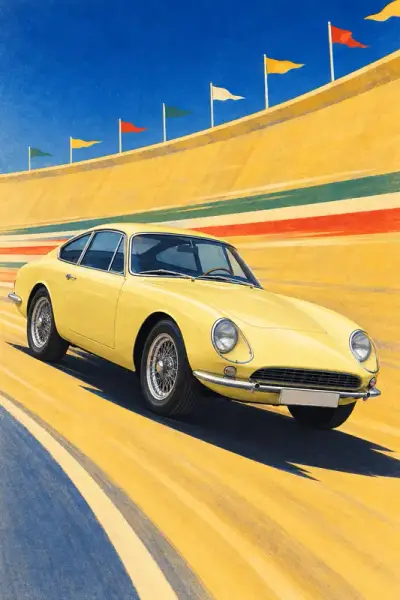
The Grand Prix
Racing posters in the line of Geo Ham and Roger Soubie: gouache, airbrush and stone, 1929 to 1960.
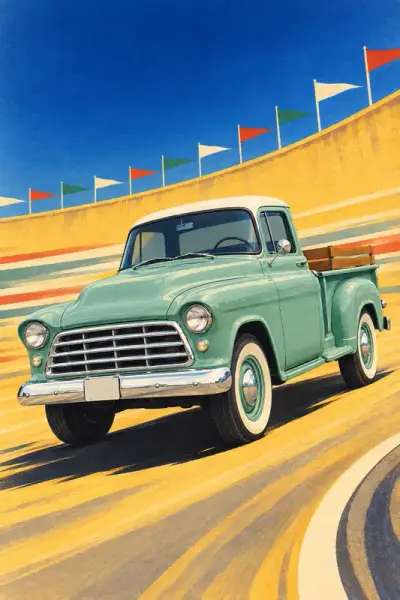
The Concours
Art Deco lithographs, stencil prints and the coachbuilders’ own catalogue plates.
- SS04Salon 1929Art Deco lithograph, sunburst, silver and blackYour car on the motor-show poster
- SS05Coachbuilder 1936Catalogue plate in gouache, villa, airbrushed skyYour car in the coachbuilder’s catalogue
- SS06Pochoir 1925Hand-stencilled gouache, jewel colour, fine ink lineYour car in the gazette, by stencil
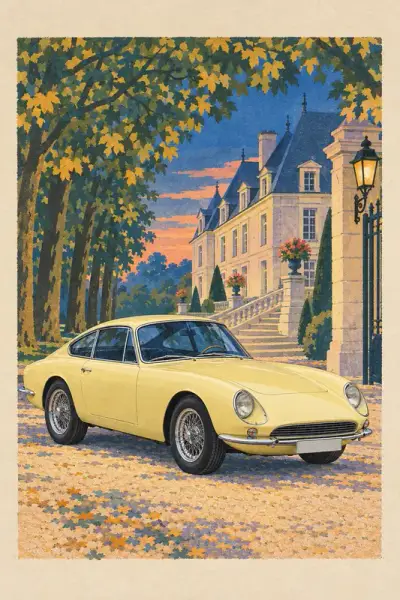
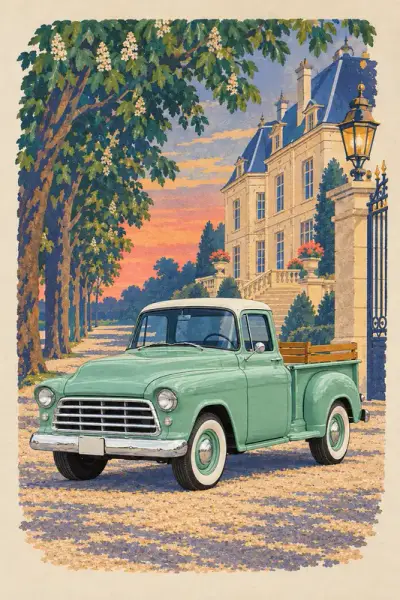
The Garage
Your car as a painted object: thick oil, cold-pressed watercolour and a Dutch still life.
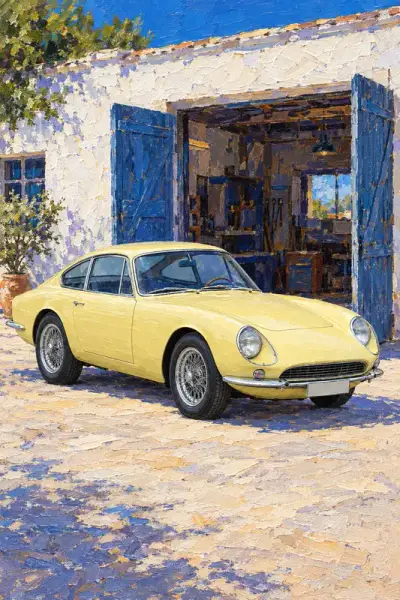
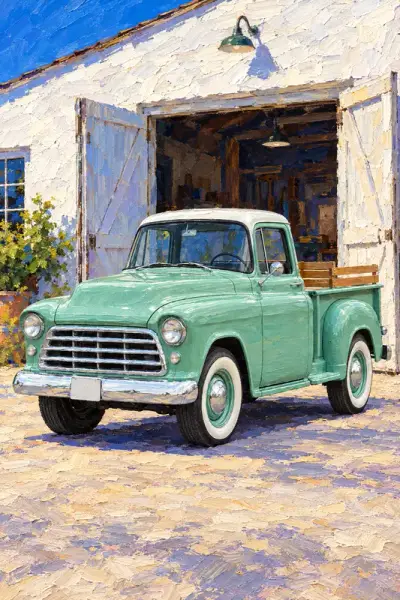
The Strip
Chrome, neon and metalflake from the American roadside, with no copy on any of it.
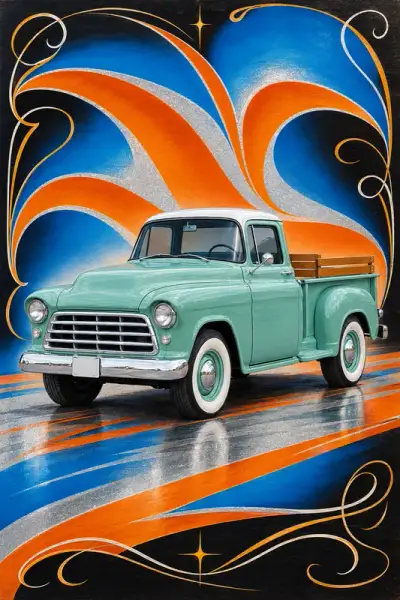
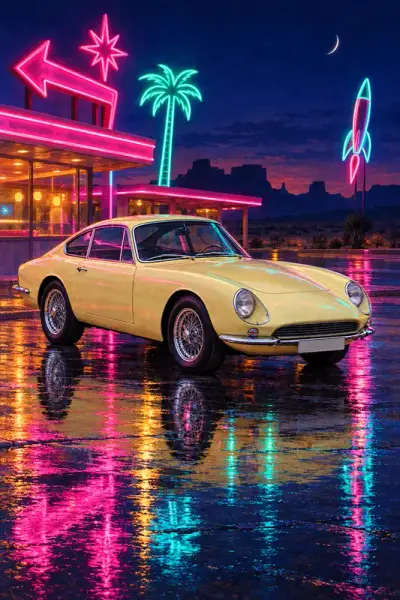
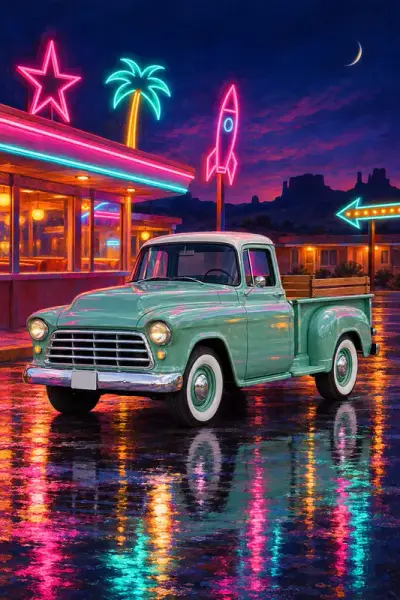
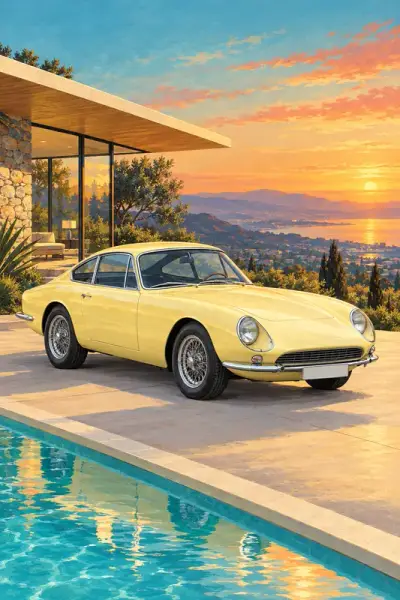
Bring your car
One vehicle, whole in frame, nobody standing in the shot. Your make, model, wheels and colour stay as photographed. Looking is free, and you pay only when one deserves a wall.
Monza 1934
Your car at Monza, 1934
Four passes on the house. A pass paints your photograph twice: the poster and the wide. Your photograph goes to the engine twice, once per shape, and is not kept. Every stage comes back twice, the upright poster and the wide, and you choose at the till.
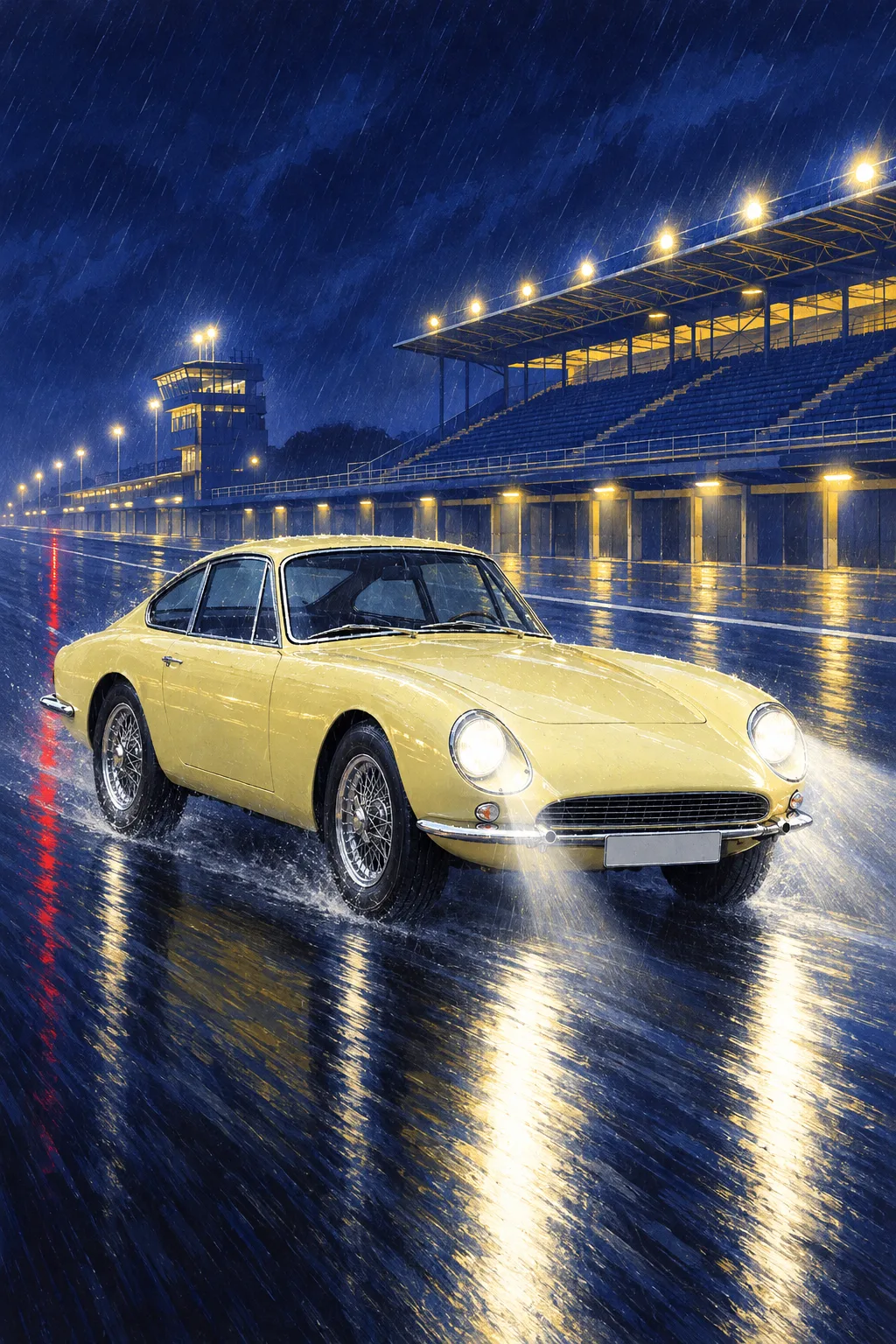
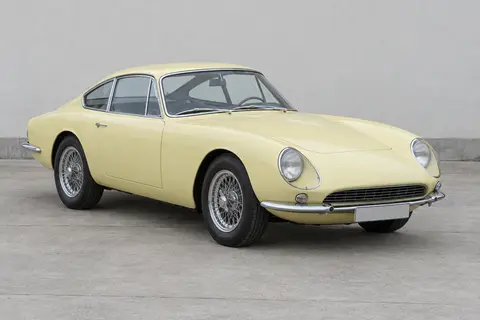
Night Stint 1955
A test vehicle we generated, not a customer’s. Yours replaces it.
Your own vehicle, or one you have the right to photograph. Plates render blank.
Then the wide
The poster stands your car upright on the sheet. The wide puts it in the place: the pit lane, the harbour, the motel forecourt. Every render comes back in both shapes, and you choose at the till. Three of the twenty-four, dealt fresh for every visit.
Three of twenty-four. Every stage has its wide, and every render you make comes back in both shapes.
Scrutineering, then the stage
A painting that changes the car is a painting of somebody else’s car. We would rather refuse a render than send one with the wrong grille.
- 01One photograph. The whole vehicle, three-quarter front is best, in daylight. Phone photos are fine. A photograph of anything else is refused before the engine sees it, and nothing is counted.
- 02One stage. The same recipe that painted the two test vehicles is run on yours. The prompt is built on our server, not in your browser, so what you get is the stage you chose.
- 03About ninety seconds. The poster lands at 1024 × 1536 and the wide at 1536 × 1024. What you see on screen is what goes to the printer, rebuilt at print resolution the moment you pay.
- 04Your words, if you want them. The type desk sets your car’s own name, its year and its place in the type of the poster’s decade. Makers’ names and races’ names stay off: they belong to the companies that own them.
Hang it large
Enhanced matte, Hahnemühle Photo Rag, or canvas on a deep stretcher bar. We ship to 121 countries from the nearest print house, at a flat postage by size, set from the printer’s own quotes.
Then it comes home
Paper, canvas, or edge to edge across a hoodie. It’s the same render at print resolution, and we print only the one you chose. Some renders miss: a wheel comes back with a spoke too many, a badge goes soft. That is why looking is free. Every render you kept waits on your wall, so ordering one again is a single click.